

Home on a Budget

Seasonal Home Maintenance Tasks That Prevent Costly Repairs Later

Share
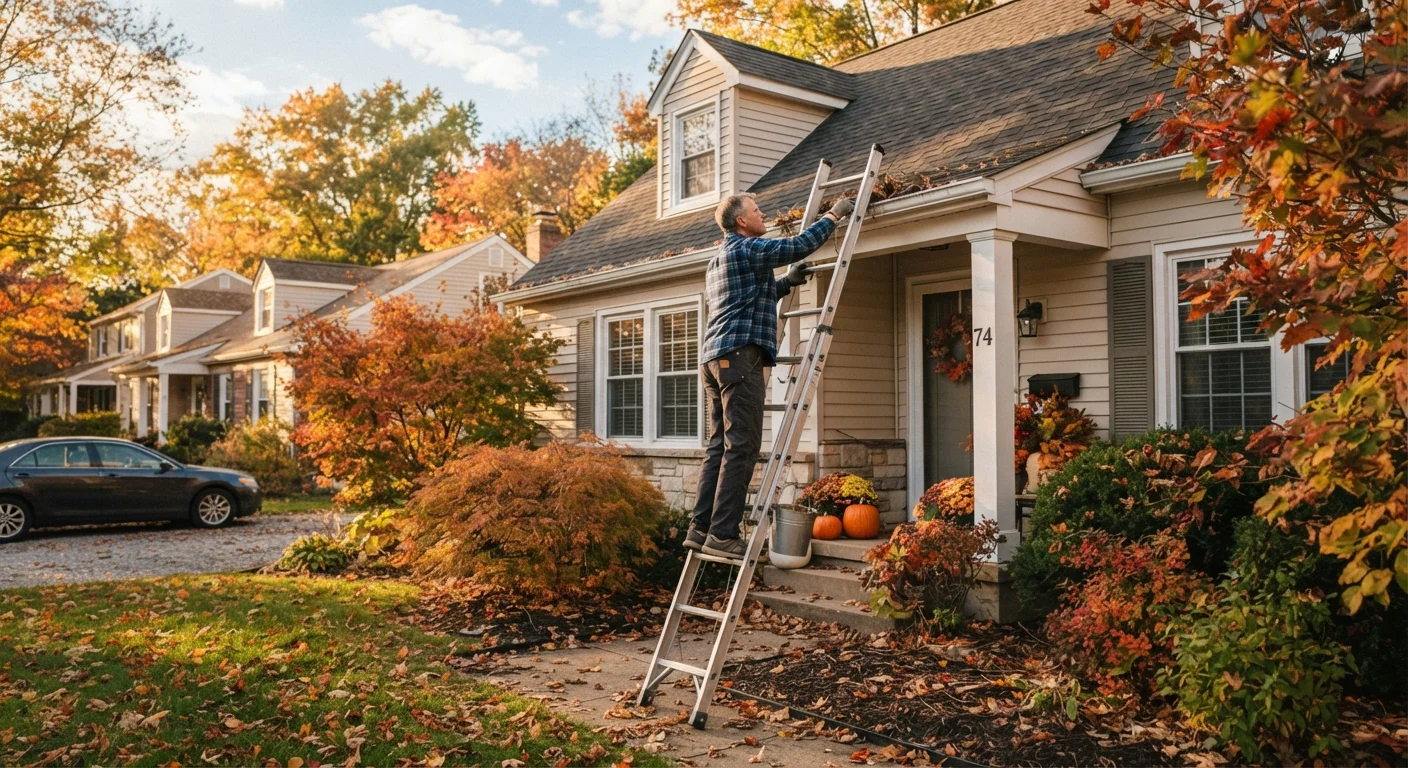
Homeowner on a ladder inspecting gutters on a suburban house during autumn

Key Takeaways

Most costly home repairs trace back to deferred maintenance that costs little to prevent.
Grouping tasks by season makes the workload manageable and nothing gets missed.
Some tasks require a licensed professional; knowing which ones protects your safety and your wallet.
A consistent annual routine can reduce unexpected repair spending over the life of your home.
30–60 min

Summary

24 items · 30 to 60 minutes to review; tasks spread across the year

Why a seasonal schedule saves money

Home repairs become expensive when small problems go unnoticed long enough to cause secondary damage. A slow roof leak rots sheathing. A clogged dryer vent becomes a fire risk. Skipped furnace filter changes strain the blower motor. In each case, the original fix would have cost far less than the cascading result.

Organizing tasks by season works because your home faces different stressors at different times of year. Spring moisture, summer heat, autumn debris, and winter freeze cycles each create their own failure points. Checking the right things at the right time means you find problems when they are still minor.

For tasks that involve electrical panels, gas lines, structural components, or roofing, always hire a licensed professional. Local permit and inspection requirements vary, so verify what applies in your area before starting any significant work. See our guide to DIY versus professional repairs for a clear breakdown of where the line sits.

Spring tasks

Inspect the roof for missing, cracked, or curled shingles after winter and arrange professional repair for any damage found. Must
Clean gutters and downspouts of debris and check that water drains away from the foundation. Must
Check exterior caulk around windows, doors, and utility penetrations and reapply where it has cracked or separated. Must
Test sump pump operation before heavy spring rains by pouring water into the pit and confirming the float triggers the pump. Must
Inspect the driveway and walkways for cracks caused by freeze-thaw cycles and fill them before water widens the gaps. Should
Check window and door screens for tears or loose frames and repair them before insect season. Nice to have

Summer tasks

Have the central air conditioning system serviced by a qualified technician, including coil cleaning and refrigerant check. Must
Inspect and clean the dryer vent from the exterior end to remove lint buildup that restricts airflow and creates a fire hazard. Must
Check deck or porch boards for rot, loose fasteners, and unstable railings, and make repairs before heavy use. Should
Trim trees and shrubs so branches are at least several feet clear of the roof, siding, and utility lines. Should
Inspect exterior paint and siding for peeling or gaps that allow moisture in, and address with paint or caulk as needed. Should

Autumn tasks

Have the furnace or heating system inspected and serviced by a licensed HVAC technician before cold weather arrives. Must
Replace furnace filters and check that all vents are unobstructed to maintain efficient airflow. Must
Drain and shut off exterior hose bibs and irrigation lines before the first freeze to prevent pipe bursts. Must
Clean gutters again after leaves have fallen to prevent ice dams from forming at the roof edge. Must
Test all smoke and carbon monoxide detectors and replace batteries as needed. Must
Weatherstrip exterior doors and check window seals to reduce heat loss during winter. See our room-by-room weatherproofing guide for detail. Should

Winter tasks

Know the location of your main water shut-off valve and confirm it operates correctly before a pipe freeze emergency. Must
Inspect attic insulation for gaps, compression, or moisture damage that reduces its effectiveness. Should
Check pipes in unheated spaces such as crawl spaces or garages and insulate any that are at risk of freezing. Must
Clear snow and ice from the roof edge if ice dams form, using a roof rake from the ground, to prevent water backing up under shingles. Should
Review your home maintenance log and schedule any deferred repairs for early spring before they worsen. Nice to have

Tools and supplies to have on hand

You do not need a fully stocked workshop to work through this checklist. Most seasonal tasks call for basic inspection, cleaning, or simple material replacement. Having the right supplies ready before each season starts means you can handle items immediately rather than delaying until something fails.

Required

Caulk gun and exterior caulk

Sealing gaps around windows, doors, and penetrations to prevent water intrusion.

Required

Ladder (6-foot minimum)

Accessing gutters, eaves, and low roof sections for inspection and cleaning.

Required

Gutter scoop or garden trowel

Removing compacted leaf and debris buildup from gutters.

Required

Furnace filter replacements

Maintaining airflow and system efficiency throughout the heating season.

Required

Pipe insulation foam sleeves

Protecting exposed pipes in unheated spaces from freezing temperatures.

Optional

Roof rake

Pulling snow away from the roof edge from the ground to reduce ice dam risk.

Optional

Voltage tester

Confirming power is off before inspecting any electrical component near your work area.

Do not skip professional inspections for gas and electrical systems

Furnaces, gas appliances, and electrical panels must be inspected by licensed professionals. DIY work on these systems can void insurance coverage, violate local code, and create serious safety hazards. When in doubt about any task, verify local permit requirements and consult a qualified contractor before proceeding.

Tracking your maintenance and staying ahead of costs

Keep a simple home maintenance log, even a notes app or a paper folder works, recording what you checked, what you found, and what you did. This record is useful when getting repair estimates, selling the home, or filing an insurance claim. It also makes it easier to spot patterns, such as a roof area that needs attention every spring.

Utility bills are another signal. A sudden increase in heating or cooling costs often points to a maintenance issue before any visible damage appears. Our article on where your home energy bill actually goes explains which systems drive costs and where to focus attention first.

For exterior maintenance that touches landscaping, landscaping choices that lower long-term yard costs covers how planting and design decisions can reduce ongoing upkeep. And if a task calls for a tool you use once a year, renting versus buying tools can help you decide whether ownership makes financial sense.

Home on a Budget Editorial Team is the collective byline for our editorial team and contributor network. Articles published under this byline or an editorial pen name are researched, written, and reviewed according to our editorial standards for clarity, consistency, and independence before publication.

View all articles by Home on a Budget Editorial Team →
Disclaimer: The content provided on our blog site traverses numerous categories, offering readers valuable and practical information. Readers can use the editorial team’s research and data to gain more insights into their topics of interest. However, they are requested not to treat the articles as conclusive. The website team cannot be held responsible for differences in data or inaccuracies found across other platforms. Please also note that the site might also miss out on various schemes and offers available that the readers may find more beneficial than the ones we cover.