

Key Takeaways
Why some vegetables are worth far more than others in the garden
Not every vegetable earns its space. Some take months to produce a small harvest while others keep giving from a single planting. When you factor in seed cost, growing time, yield weight, and what you would otherwise pay at the store, certain crops pull well ahead of the rest.
The vegetables on this list were chosen by weighing those factors together. A cheap seed packet that produces pounds of food over many weeks beats a plant that costs more and delivers once. If you want to go deeper on the seed vs. transplant question before you plant, see our guide to seeds vs. transplants.
Space matters too. Gardeners working with containers or small yards can still benefit from most of these crops. Our container gardening guide covers how to grow several of them without a traditional bed.
Leaf lettuce
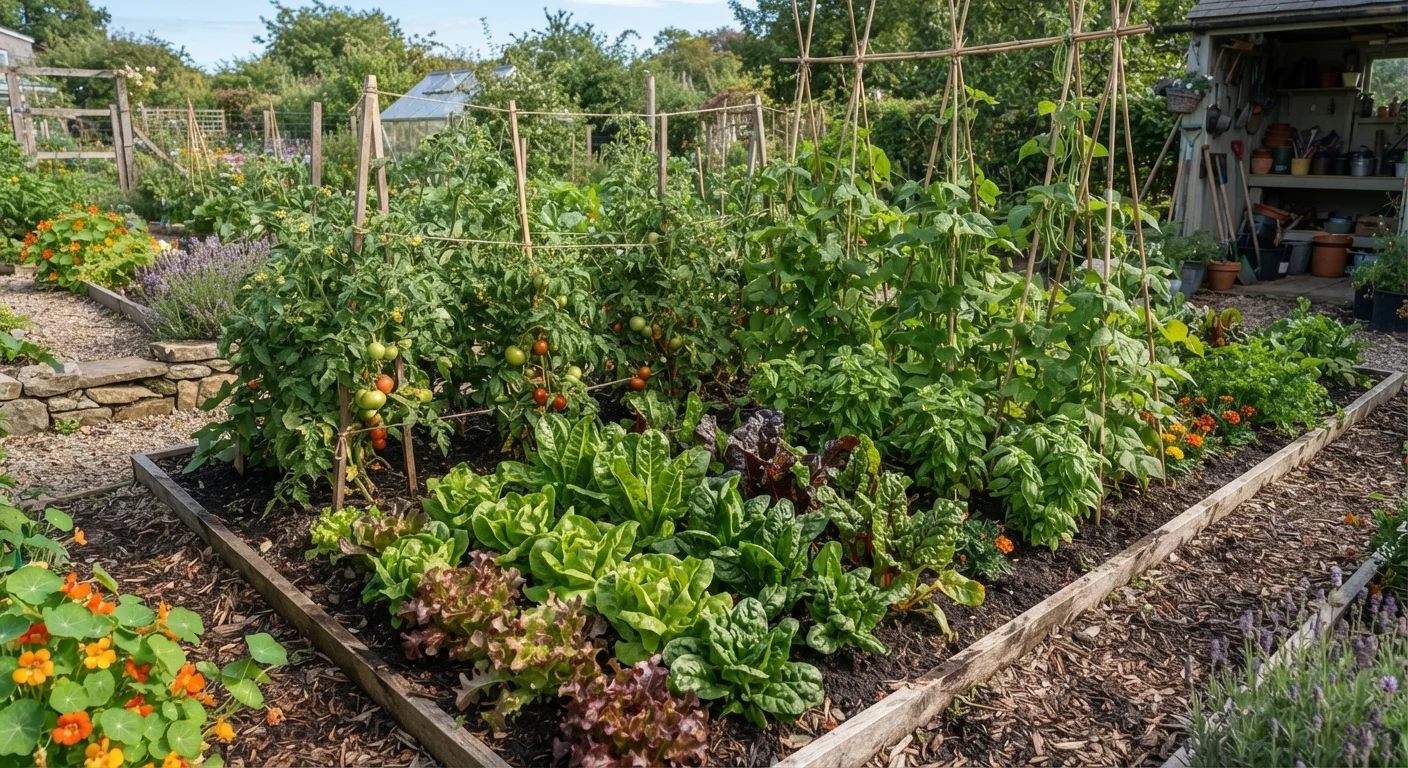
A single packet of leaf lettuce seed costs roughly one to two dollars and can contain several hundred seeds. Sown in a short row, one packet can produce lettuce for an entire household through spring and fall. Because you harvest outer leaves and leave the plant growing (a method called cut-and-come-again), each plant gives multiple harvests over several weeks.
Loose-leaf varieties mature in 45 to 60 days, so you see returns quickly. Bagged salad greens at the grocery store are among the most expensive vegetables by weight, which makes homegrown lettuce one of the clearest dollar-for-dollar wins in the garden.
Homegrown leaf lettuce can replace one of the priciest items in your grocery cart.
Zucchini
Zucchini is famous for overproducing, and that trait is exactly what makes it valuable. Two or three plants can supply a family generously through summer. Seeds are inexpensive, germination rates are high, and plants need no special care beyond consistent watering and occasional feeding.
A single healthy zucchini plant can produce 10 pounds or more of fruit in a season under decent conditions. Zucchini also stores reasonably well for a week or two in the refrigerator, reducing waste. Because it grows large from a small footprint, it works well even in raised beds.
Two or three zucchini plants can keep a family supplied through an entire summer.
Green beans
Bush beans need no staking, mature in about 50 to 60 days, and can be succession-planted (sowing a new short row every two to three weeks) to extend the harvest window. Seeds are inexpensive by weight, and because beans fix nitrogen from the air into the soil, they can modestly improve the ground for whatever you plant there next.
A 10-foot row of bush beans typically yields several pounds of pods over the course of a harvest period. Fresh green beans at grocery stores often carry a premium, particularly out of peak season, so the store-price comparison works in the gardener's favor. You can also let a portion of the crop dry on the vine for shell beans, stretching the yield further.
Bush beans fix nitrogen while they grow, benefiting both this season's harvest and next year's soil.
Swiss chard
Swiss chard behaves like leaf lettuce in one important way: cut the outer stalks and the center keeps pushing new growth. Unlike lettuce, chard tolerates heat and continues producing well into fall, giving it a much longer productive window in most U.S. climates.
One packet of chard seed sows enough for a steady supply of greens through most of the growing season. Chard works in soups, stir-fries, and egg dishes, which means it fits into a wide range of meals. A bunch at the grocery store can cost two to three dollars, so regular harvests from a small row add up to genuine savings over the course of a season.
Swiss chard produces from spring through fall frosts, giving one of the longest harvest windows of any vegetable.
Cherry tomatoes
Full-sized tomatoes take longer to ripen and can be fussier about conditions. Cherry tomatoes tend to be more forgiving, mature faster, and produce fruit almost continuously once they get started. A single plant grown in a container or garden bed can yield pounds of tomatoes over the course of a summer.
Cherry tomatoes at the store are frequently priced well above field tomatoes by weight, which makes the home-grown version one of the stronger value propositions on this list. Starting from seed is cheaper than buying transplants; if you want to think through that decision, see our seeds vs. transplants comparison. Varieties that resist common diseases tend to produce more reliably, so check seed descriptions for disease-resistance notes when choosing.
Cherry tomatoes produce almost continuously once established, often for two to three months straight.
Kale
Kale is not for every palate, but for households that eat it regularly, it offers exceptional return on investment. Seeds are low-cost, plants grow large and fast, and like chard, kale can be harvested leaf by leaf over many months. It also tolerates light frost, extending its season past what warm-weather crops can manage.
A single row of kale sown in late summer can produce well into November in many parts of the country, and in mild-winter climates it can overwinter and resume growth in spring. Organic kale at grocery stores is often priced at a premium, so growing your own delivers clear savings if your family uses it consistently. It also pairs well with the budget pantry staples many cost-conscious households already keep on hand.
Kale can survive light frosts and keep producing after most other crops have finished.
Getting even more from your garden dollar
The crops above produce well, but a few habits make them go further. Harvesting leaf lettuce and Swiss chard regularly by cutting outer leaves encourages the plant to keep producing rather than bolting. Picking zucchini small (six to eight inches) keeps the plant fruiting longer than letting any squash grow oversized.
Track what you actually use
Before next season, keep a simple list of which vegetables your household used most and which went to waste. Growing more of the crops your family reliably eats will always deliver better savings than growing novelties that sit unused. Even a quick note on your phone after each harvest week is enough to guide smarter choices the following year.
At the end of the season, many of these vegetables will let you collect seeds for next year. Beans, tomatoes, and squash are straightforward to save from. Our guide to saving seeds walks through how to do it correctly so viability stays high. A seasonal planting calendar can also help you time successions so harvests keep coming instead of arriving all at once.
What you grow should match what your household actually eats. A garden full of kale helps no one if the family leaves it untouched. Aligning crops with your regular meals is the same logic behind buying seasonal produce at the store: the savings only land if the food ends up on the table.